
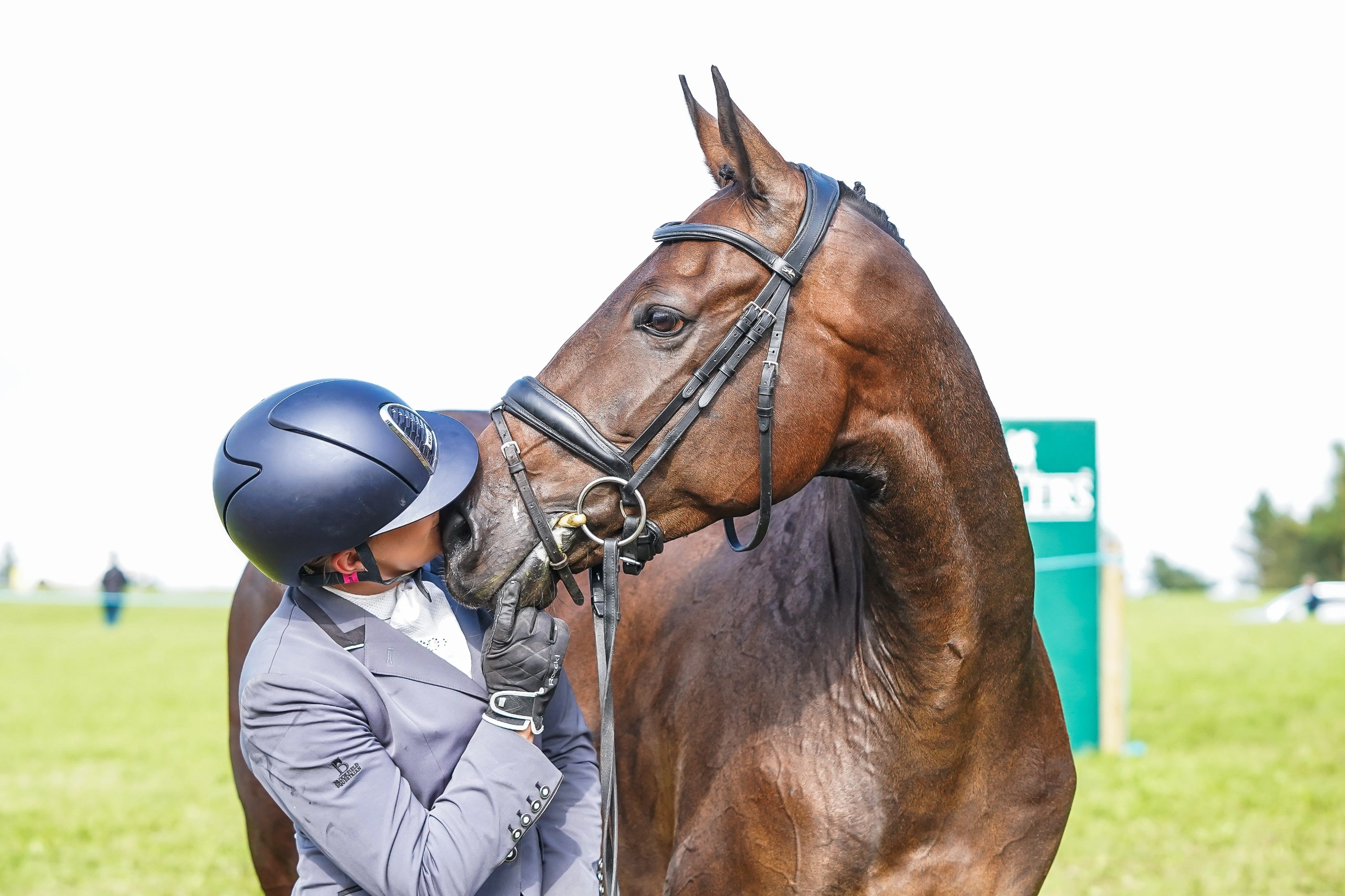
Mental Health Awareness Week is a chance to open conversations that many people still find difficult to have, especially in environments where resilience and carrying on are often seen as part of the culture. In equestrian sport, riders are used to getting on with things even during tough times. Horses still need feeding, mucking out and exercising regardless of how stressful life feels outside the yard gates.
A few months ago, we shared some practical ideas on our blog around building mental resilience in competition and coping with setbacks in sport. This time around, we wanted to widen the conversation and focus on the everyday mental wellbeing of riders themselves.
Research from the mental health charity Mind found that around one in four people in the UK will experience a mental health problem each year. In England, one in six people report experiencing a common mental health problem such as anxiety or depression in any given week. Those statistics include people in every walk of life, including the eventing community.
The pressures riders carry
Riding and caring for horses can bring huge enjoyment, purpose and routine to daily life. Spending time outside, working towards goals and building partnerships with horses can all support wellbeing. At the same time, horses can also bring pressure. There are financial worries, long days, competition nerves, setbacks and the constant balancing act of fitting horses around work, family life and everything else. Lots of riders are very good at looking after everyone and everything around them while putting themselves at the bottom of the list.
It’s easy to normalise feeling tired and burnt out when you’re used to early mornings and long days. And it can also be tempting to brush off stress because you feel there are horses depending on you. Sometimes people stop noticing how overwhelmed they’ve become until things start to feel much harder than usual.
Stress doesn’t necessarily arrive all at once either, it can build gradually over weeks or months. Feeling constantly tired, struggling to switch off, losing confidence or becoming unusually irritable can all be signs that something is wrong.
Mental health challenges aren’t always obvious
Mental health struggles do not always look dramatic from the outside. They can show up as feeling constantly anxious, struggling to sleep, losing motivation, feeling isolated, becoming emotionally flat or finding everyday tasks harder to cope with than normal. Some riders may also experience panic attacks, spiralling thoughts or a sense that they are no longer coping as well as they once were.
Social media can add another layer to that pressure. Riders are often seeing everyone else’s best moments, clear rounds and competition results while dealing with the reality of difficult training sessions, financial strain or confidence issues behind the scenes. Comparing yourself to a polished snapshot of someone else’s life never tells the full story.
Supporting yourself during busy periods
When life becomes busy or stressful, the basics are often the first things to slip. Riders are used to functioning on early mornings, late nights and long days, particularly during the season, but running on empty for long periods can take a real toll mentally as well as physically.
Sleep, regular meals, hydration and time away from pressure can all play a part in how well we cope with day-to-day life. Many people also find that taking a conscious break from scrolling social media or comparing themselves to others online leaves them feeling a little better, particularly after a difficult competition or stressful week.
One thing to remember is that you don’t need to overhaul your entire routine to make a difference. Sometimes small changes such as taking an evening away from the yard, getting an earlier night before an event or giving yourself a proper break after a busy run of competitions can help more than people expect.
Asking for support early on helps
One of the most important things riders can do is recognise when they need support and allow themselves to ask for it early. You don’t have to wait until things feel unmanageable or you’re at crisis point before talking to someone.
That support might come from a friend at the yard, a coach, a family member or a professional who’s trained to listen. Sometimes simply talking honestly about how things are feeling can make a big difference.
It can also help to take some pressure off yourself where possible. Remember that not every ride needs to be productive and not every competition will go exactly to plan. Rest, downtime and stepping back for a breather are all important parts of maintaining both physical and mental wellbeing.
Looking out for one another
The eventing community is built around people who understand the highs and lows that come with the sport. Checking in on friends, having honest conversations about the pressures and looking out for one another matters. A quick chat in the lorry park, checking in with a fellow rider after a difficult event or simply asking someone how they are doing can make more difference than people sometimes realise.
At the British Eventing Support Trust, we are proud to support British Eventing competing members through our confidential mental health helpline in partnership with Sporting Chance.
If you’ve been experiencing panic attacks, feelings of dread, fear, isolation, insomnia, anxiety or spiralling thoughts, or if you simply know that you are not in a good place, there is support available. Please call 07780 008877 at any time of night or day and you’ll be connected to a trained therapist for a confidential chat. There’s no need to suffer and try to go on alone.